Journal · Explainer · 1 min read
How active noise cancellation actually works
A race measured in fractions of a millisecond.
Published 20 August 2026 · Reviewed by 20 February 2027
Noise cancellation sounds like magic and is, in fact, a deadline. Sound from the world takes a fixed, tiny time to travel past a headphone’s shell into your ear canal. In that window, the headphone must hear the noise, compute its mirror image, and play it — so that peak meets trough and the sum approaches silence.
Everything about ANC design follows from that deadline: where microphones sit, how fast filters run, and why the physical seal matters more than any spec sheet admits.
Three architectures
Feedforward ANC listens outside the earcup — early warning, fast response, but it must predict what reaches the ear rather than measure it. Feedback ANC listens inside, at the ear — it hears the truth and corrects itself, at the cost of reacting later. Hybrid systems, standard at the flagship tier, combine both: outer microphones for speed, inner for verification.
What the number on the box means
A “−XX dB” claim is a measurement under specific conditions: frequency band, fit, test fixture. Change any of those and the number changes. The useful questions are architectural — hybrid or not, how the product handles wind, how it behaves with an imperfect seal — and the honest vendors answer them in the open. A decibel figure without a method is a mood.
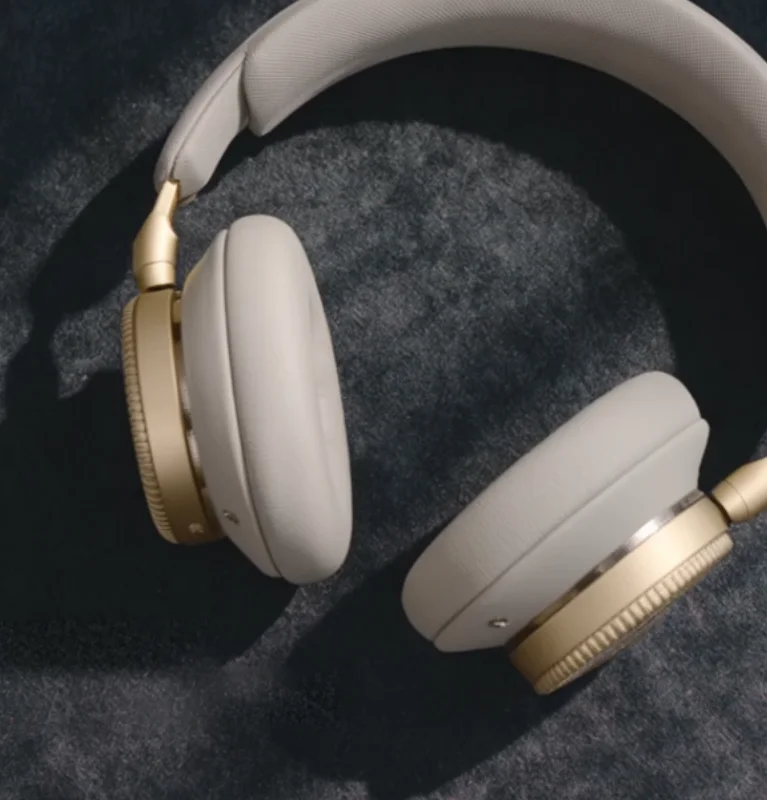
Aureum
Over-ear headphones with active noise cancellation, voiced to the Harman target.
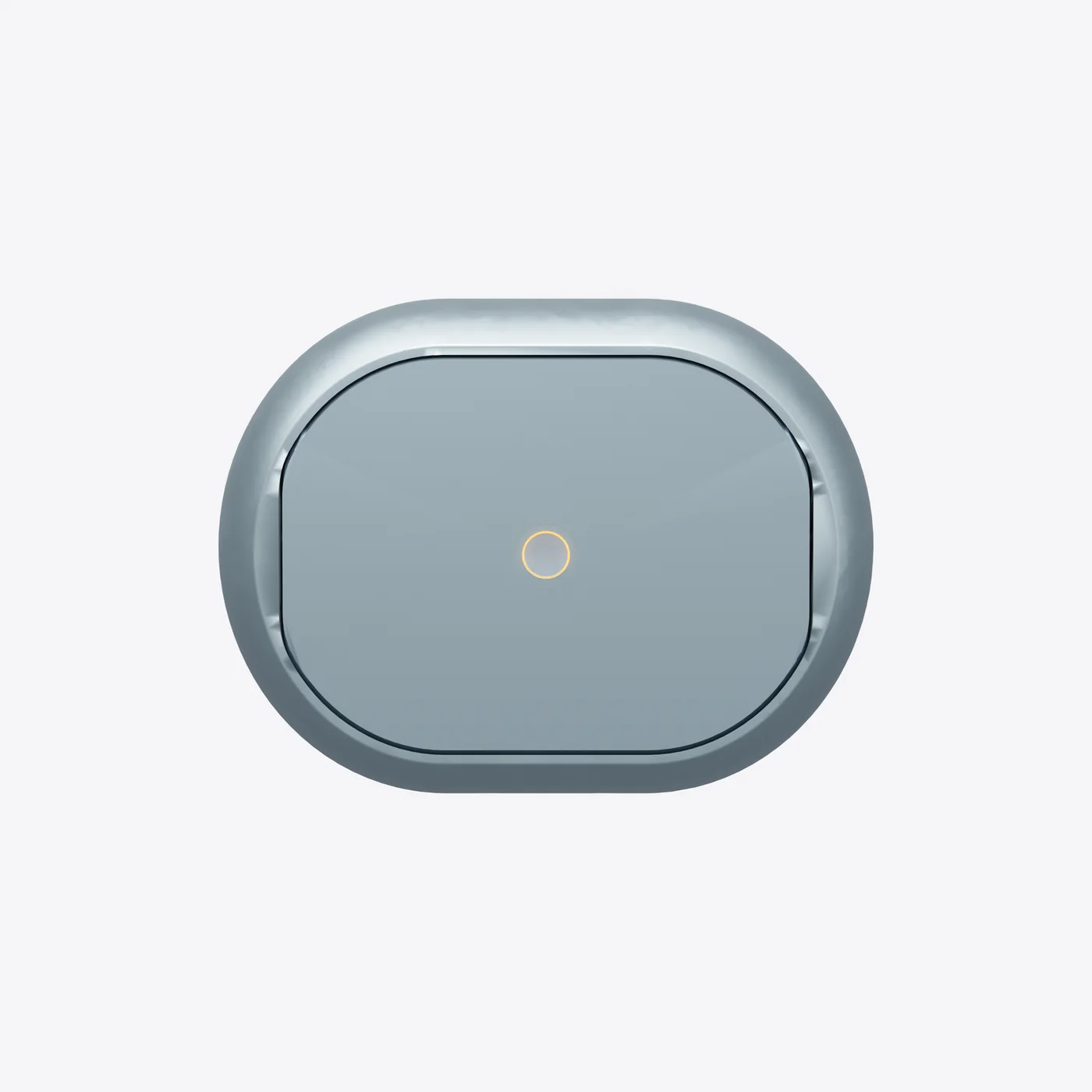
Evoque
In-ear monitor voicing, ANC and spatial audio, in an aluminium flip case that charges on Qi2.
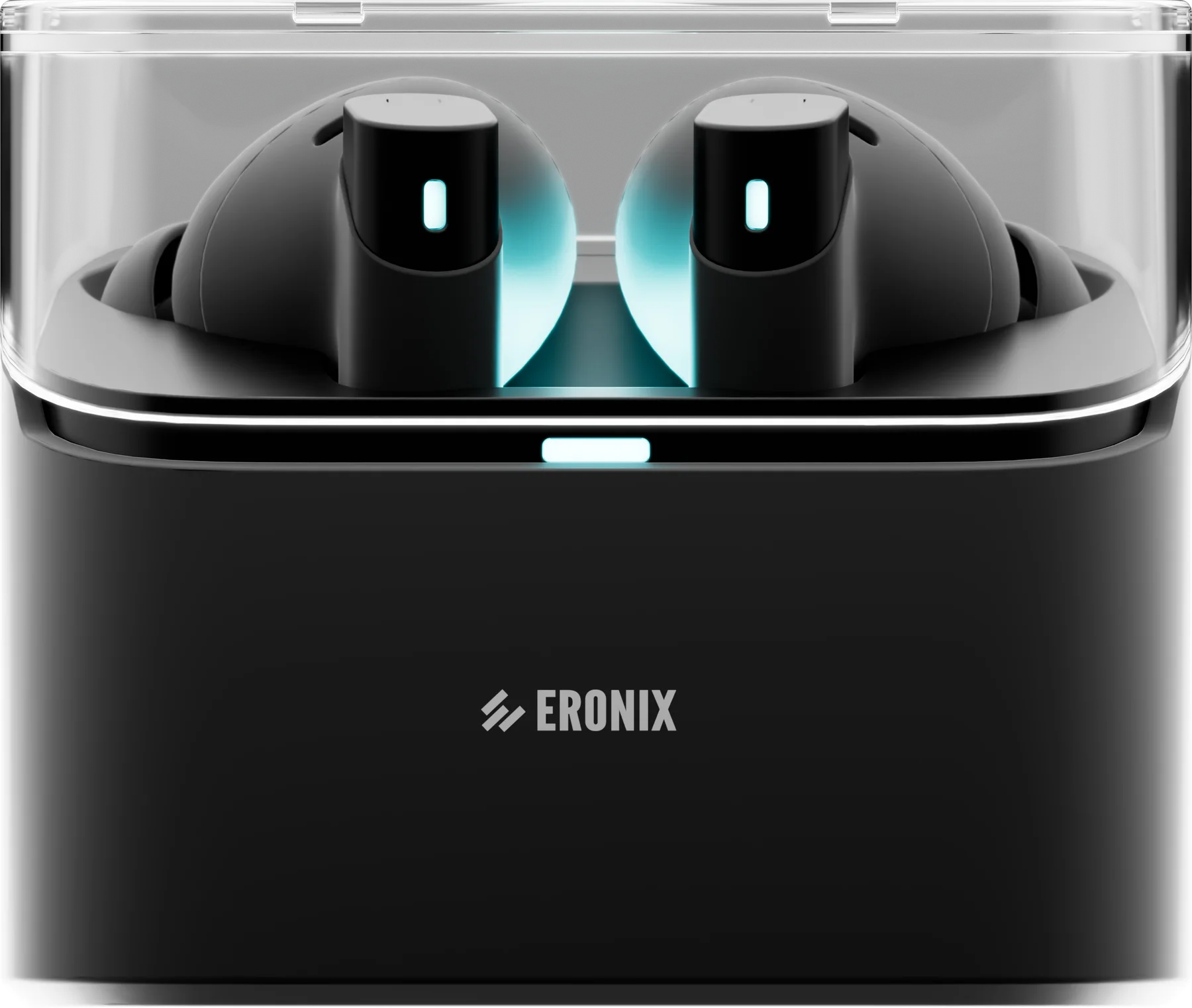
Euphoria
Quad-mic ANC to 45 dB, dual 13 mm drivers and four listening modes.