Technology · Audio
Active Noise Cancellation
Silence, computed in real time.
Active noise cancellation measures the sound around you with microphones and plays a precisely inverted signal that cancels it at your ear. It works best against steady, low-frequency noise — engines, ventilation, cabin rumble — and always works on top of passive isolation, the physical seal that blocks sound before any electronics run.
The physics: destructive interference
Sound is pressure waves. If a system produces the same wave inverted — pressure peaks where the noise has troughs — the two sum to silence. The catch is time: the correction must arrive at the eardrum in phase with noise that is already on its way, which gives the electronics a fraction of a millisecond to listen, compute and respond. This is why ANC is an architecture problem: microphone placement and processing latency are the design.
Feedforward, feedback, hybrid
A feedforward system puts microphones outside, hearing noise early and predicting its arrival at the ear; it reacts fast but cannot check its own work. A feedback system puts a microphone inside, hearing exactly what the ear hears; it self-corrects but reacts later. Hybrid systems use both — the outer microphones for early warning, the inner for verification — and modern flagship ANC is essentially always hybrid.
Why passive isolation comes first
Electronics cancel best below a few hundred hertz. Above that, wavelengths shorten and the timing problem becomes impossible — physical sealing has to do the work. A poorly sealed earcup or ear tip gives ANC an unwinnable job; a well-sealed one lets modest electronics feel dramatic. Fit is not a comfort footnote; it is half the cancellation.
Transparency is the same system reversed
Transparency modes reuse the microphones to pass the outside world through deliberately, ideally with natural timbre and your own voice sounding like yourself. The quality gap between implementations is large, and it is measurable: latency, spectral honesty, wind behaviour.
Honest limits
- ANC does not create absolute silence; it attenuates, most strongly at low frequencies.
- Sudden, sharp sounds — speech, clatter — are mostly handled by passive isolation, not electronics.
- Published “dB of cancellation” figures depend entirely on measurement conditions; a number without its method is marketing.
Published 28 September 2026 · Reviewed by 28 March 2027 · All technology
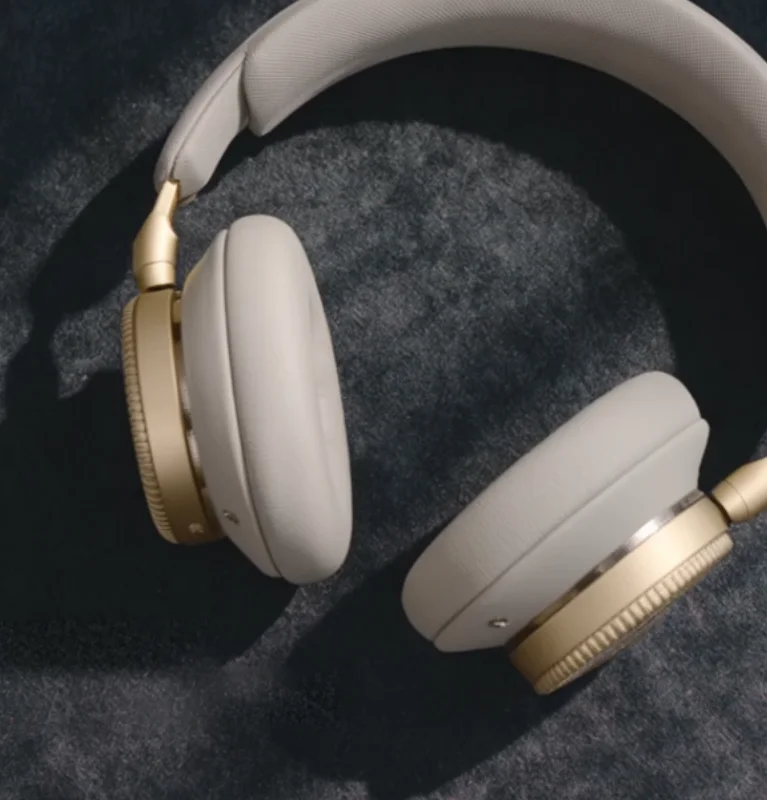
Aureum
Over-ear headphones with active noise cancellation, voiced to the Harman target.
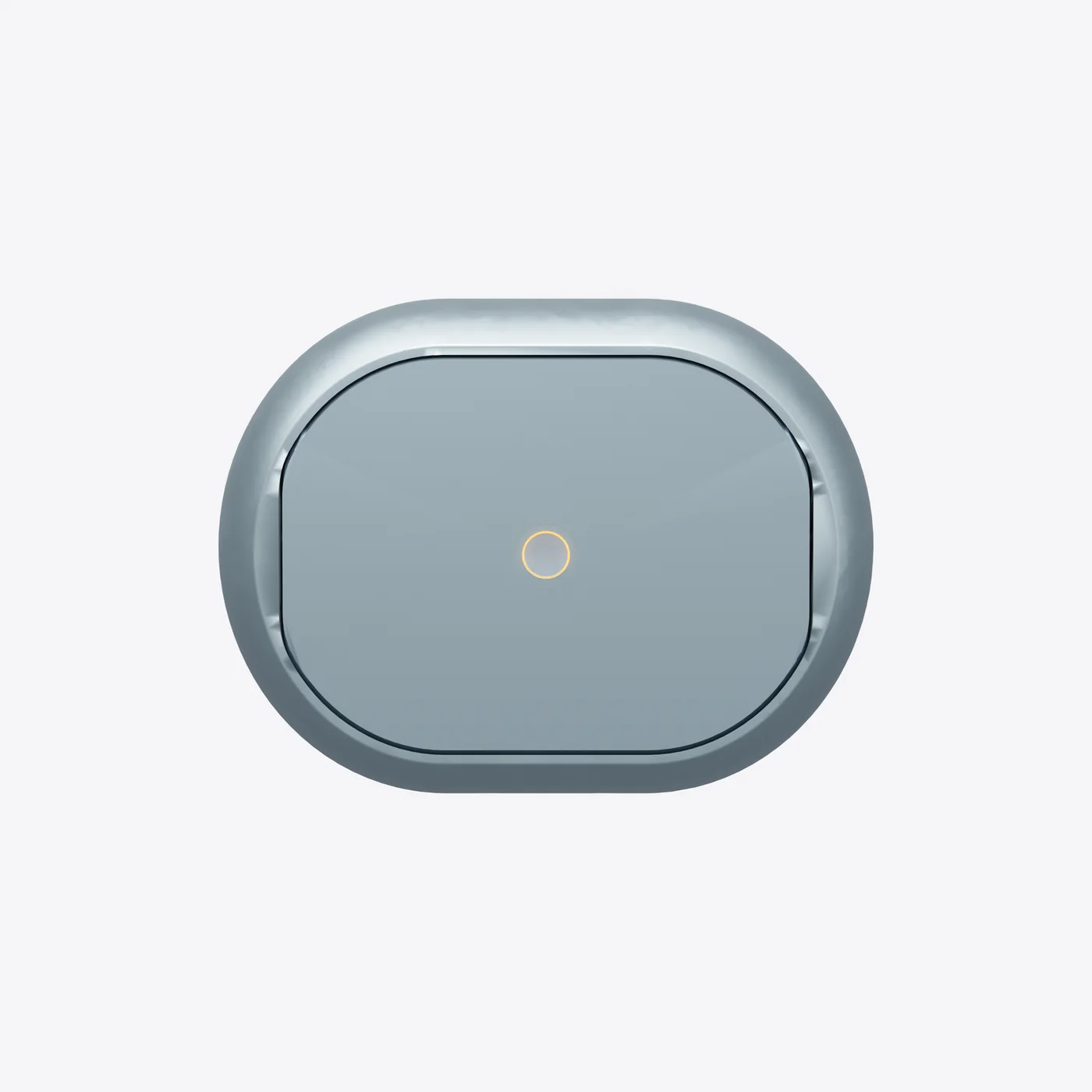
Evoque
In-ear monitor voicing, ANC and spatial audio, in an aluminium flip case that charges on Qi2.
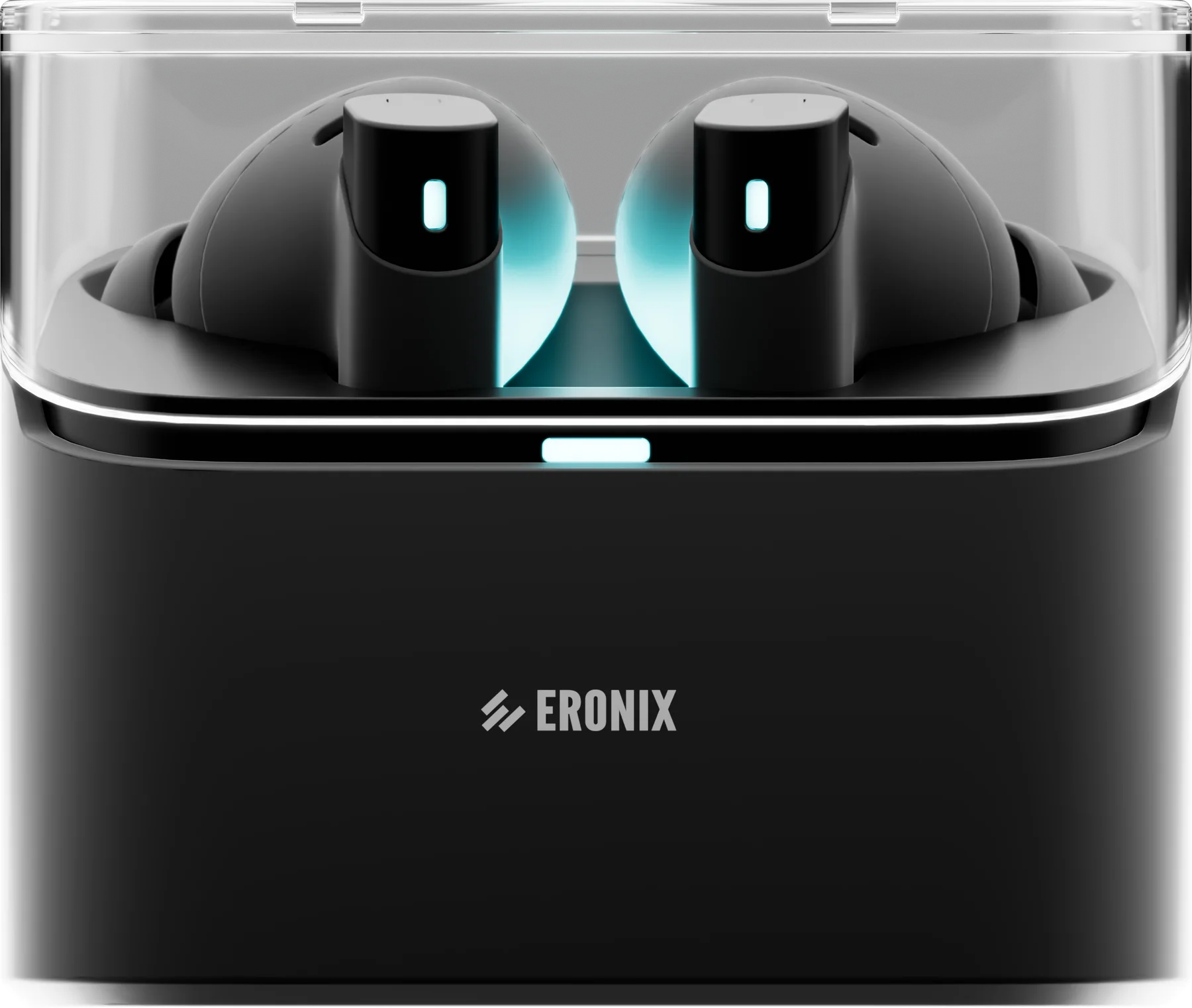
Euphoria
Quad-mic ANC to 45 dB, dual 13 mm drivers and four listening modes.
Acoustics
What a driver actually does.
Read →AudioWireless Audio
Bluetooth, codecs, and the milliseconds that matter.
Read →AudioBattery Management
Capacity is chemistry; longevity is software.
Read →Explainer · 1 min readHow active noise cancellation actually works
A race measured in fractions of a millisecond.
Read →