Technology · Audio
Wireless Audio
Bluetooth, codecs, and the milliseconds that matter.
Wireless audio compresses sound, transmits it over Bluetooth, and reconstructs it in the earpiece within milliseconds. The experience is decided by the codec both sides share, the radio’s resilience in crowded air, and the system’s latency — and by unglamorous engineering: antenna design inside a device the size of a bean.
Codecs: a shared language
A codec is the compression scheme phone and earphone agree on. The baseline codec guarantees universal connection; more capable codecs carry more detail or lower latency when both sides support them. The honest statement of wireless audio quality is therefore always a pair: what the product supports, and what your phone supports — the connection uses the best language both speak.
Latency and its uses
Music tolerates latency; video needs lips in sync; games need touch in sync. Systems trade buffer size against stability: a longer buffer survives interference, a shorter one feels immediate. Modes that prioritise latency exist precisely because one setting cannot serve all three uses perfectly.
The crowded room problem
The 2.4 GHz band is shared with Wi-Fi and every other Bluetooth device in the carriage. Resilience comes from adaptive frequency hopping, antenna quality and firmware maturity — the difference between earbuds that stutter at the station and earbuds that do not is rarely the codec; it is radio engineering.
Honest limits
- Codec support is only realised when both devices share it; platform differences are real and worth stating explicitly.
- Range figures are open-air measurements; walls and bodies shorten them.
Published 28 September 2026 · Reviewed by 28 March 2027 · All technology
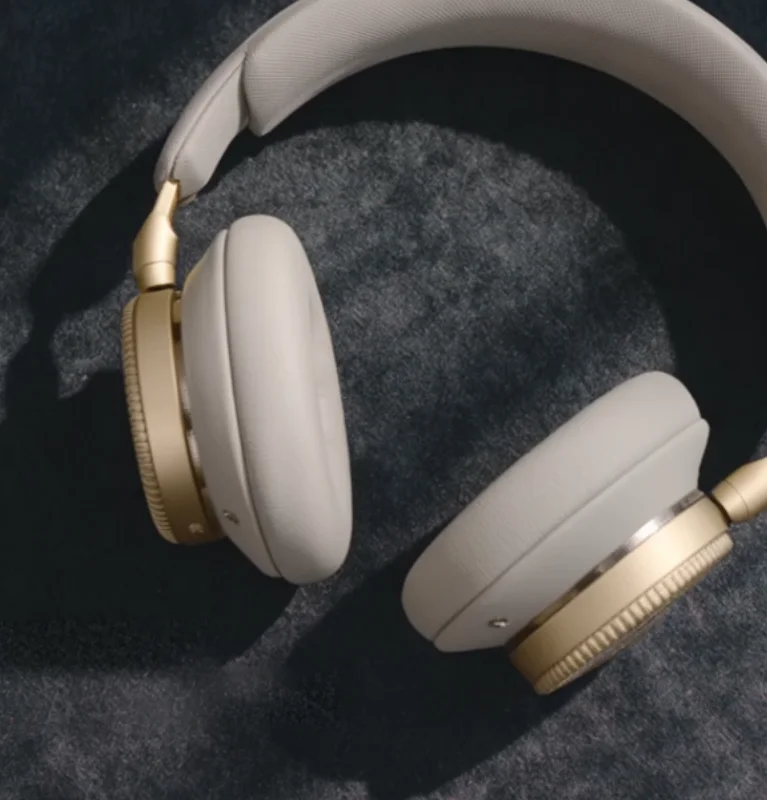
Aureum
Over-ear headphones with active noise cancellation, voiced to the Harman target.
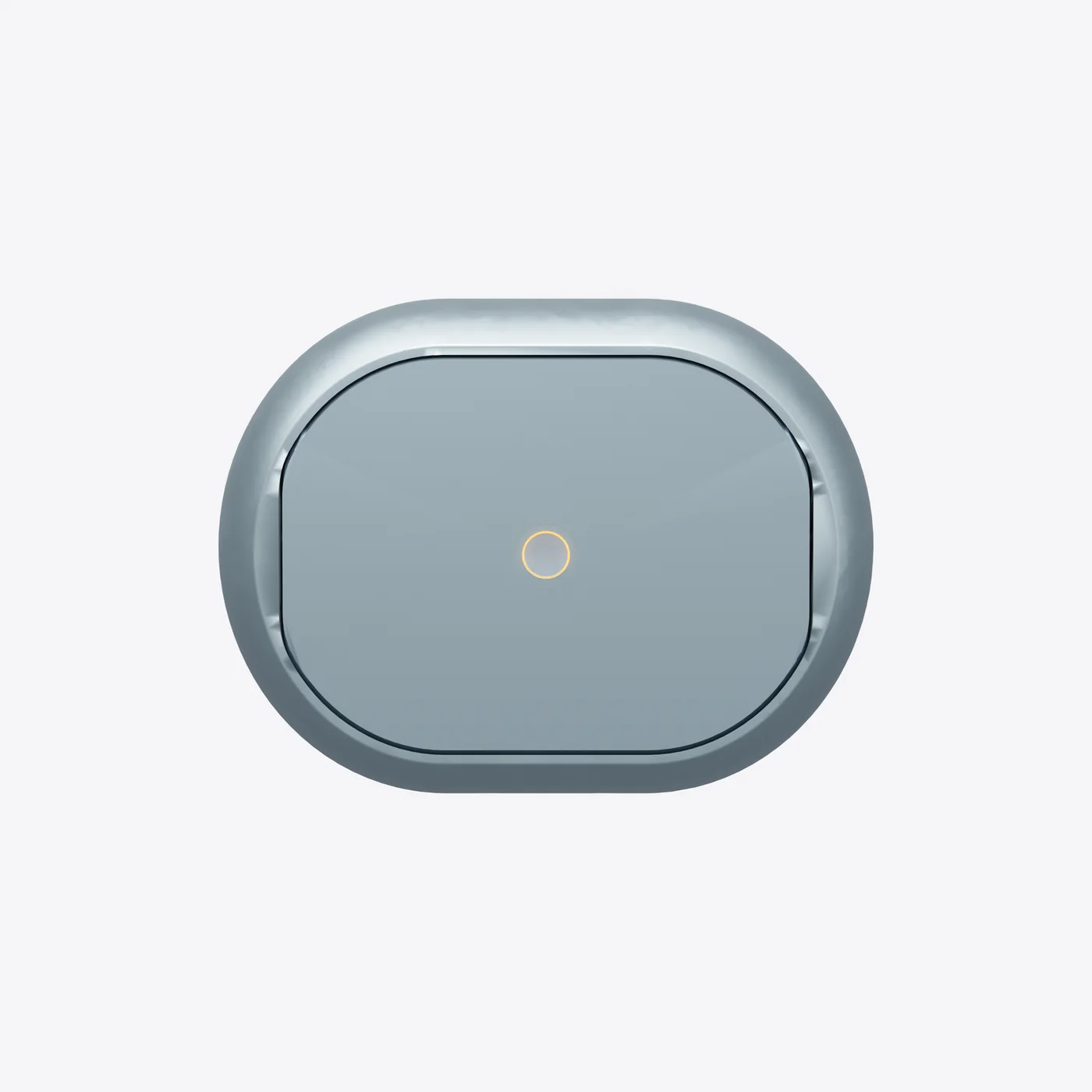
Evoque
In-ear monitor voicing, ANC and spatial audio, in an aluminium flip case that charges on Qi2.
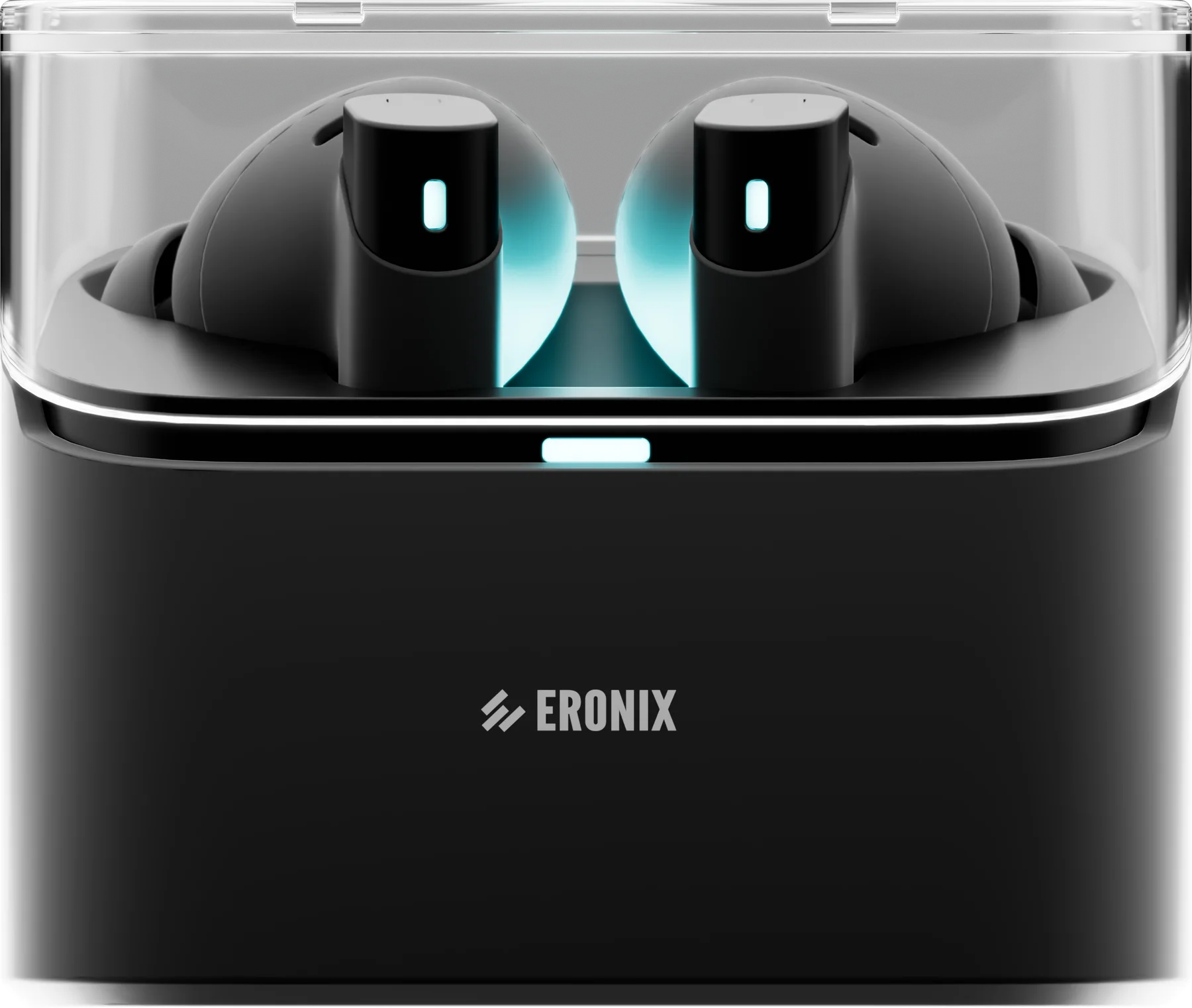
Euphoria
Quad-mic ANC to 45 dB, dual 13 mm drivers and four listening modes.
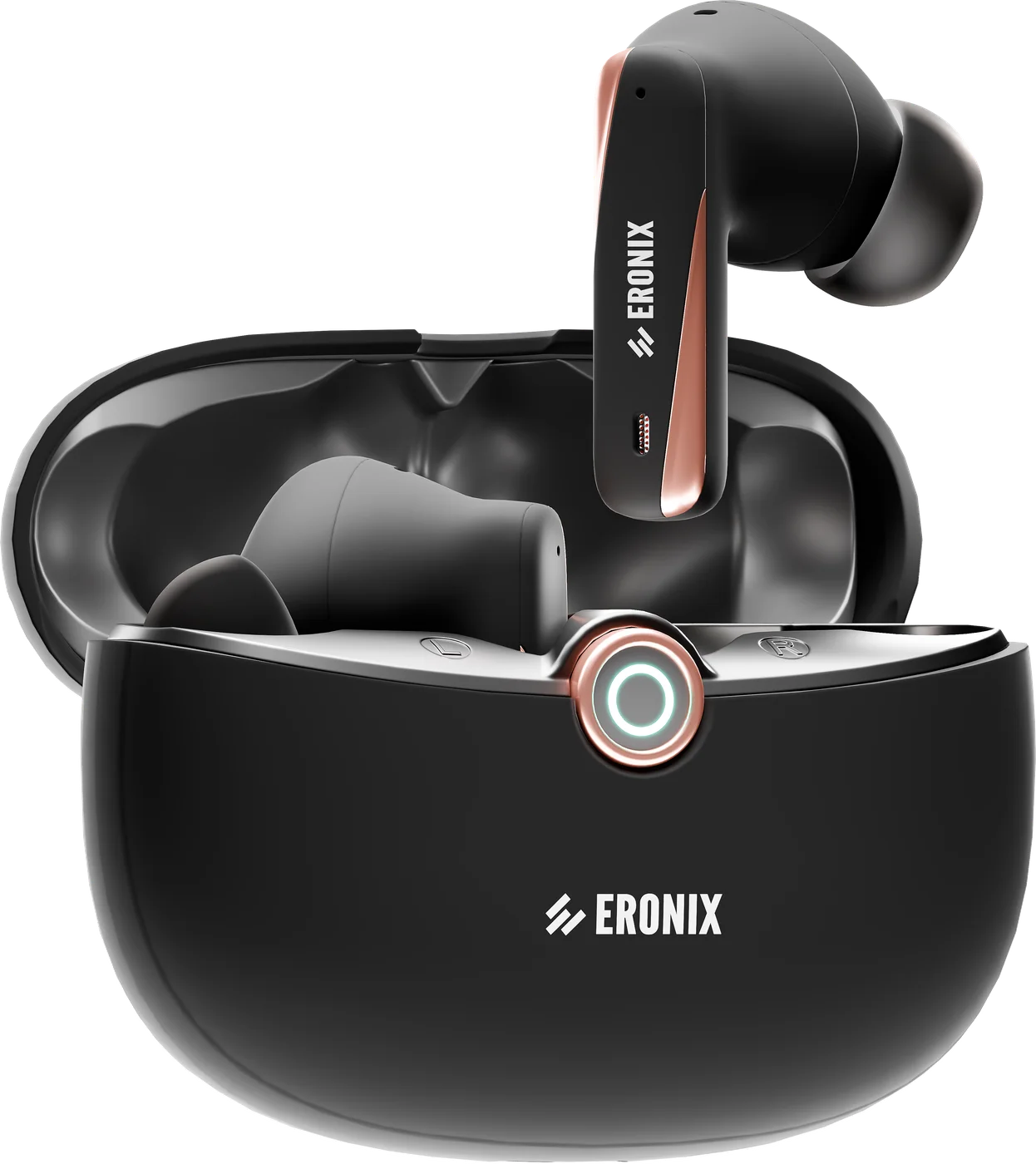
Jarvis
Four MEMS microphones and up to 35 dB ENC for calls. A lit halo on the case.