Technology · Audio
Acoustics
What a driver actually does.
A headphone driver is a motor that moves air against your eardrum: a diaphragm, a coil and a magnet, shaped by the chamber around them. Sound quality is the sum of controlled decisions — diaphragm behaviour, chamber volume, venting, tuning — and the honest measure of a tuning is hours of listening, not seconds of demo.
The moving parts
Current through the voice coil creates a field that pushes against the magnet, moving the diaphragm; the diaphragm moves air; the air moves you. Every part is a compromise under control: a stiffer diaphragm resists distortion but carries more mass; a larger driver moves air easily but is harder to keep uniform. Materials and geometry are chosen to place those compromises where the tuning wants them.
The chamber is an instrument
The sealed volume behind the driver, the vents that relieve pressure, the mesh that damps a resonance — the enclosure is tuned like the body of an instrument. Identical drivers in different chambers are different headphones. This is why serious products describe their acoustic architecture rather than just naming a driver diameter.
Tuning as a point of view
A frequency response is a set of opinions: how much low-end warmth, how forward the voice range, how much sparkle before fatigue. Long-session products earn restraint — a tuning that thrills in a showroom minute can exhaust an afternoon. Publishing the intent, and measuring against it, is more honest than adjectives.
Honest limits
- Driver size alone predicts little; architecture and tuning dominate.
- Measured response curves inform but do not settle preference — ears and fits differ.
Published 28 September 2026 · Reviewed by 28 March 2027 · All technology

Aureum
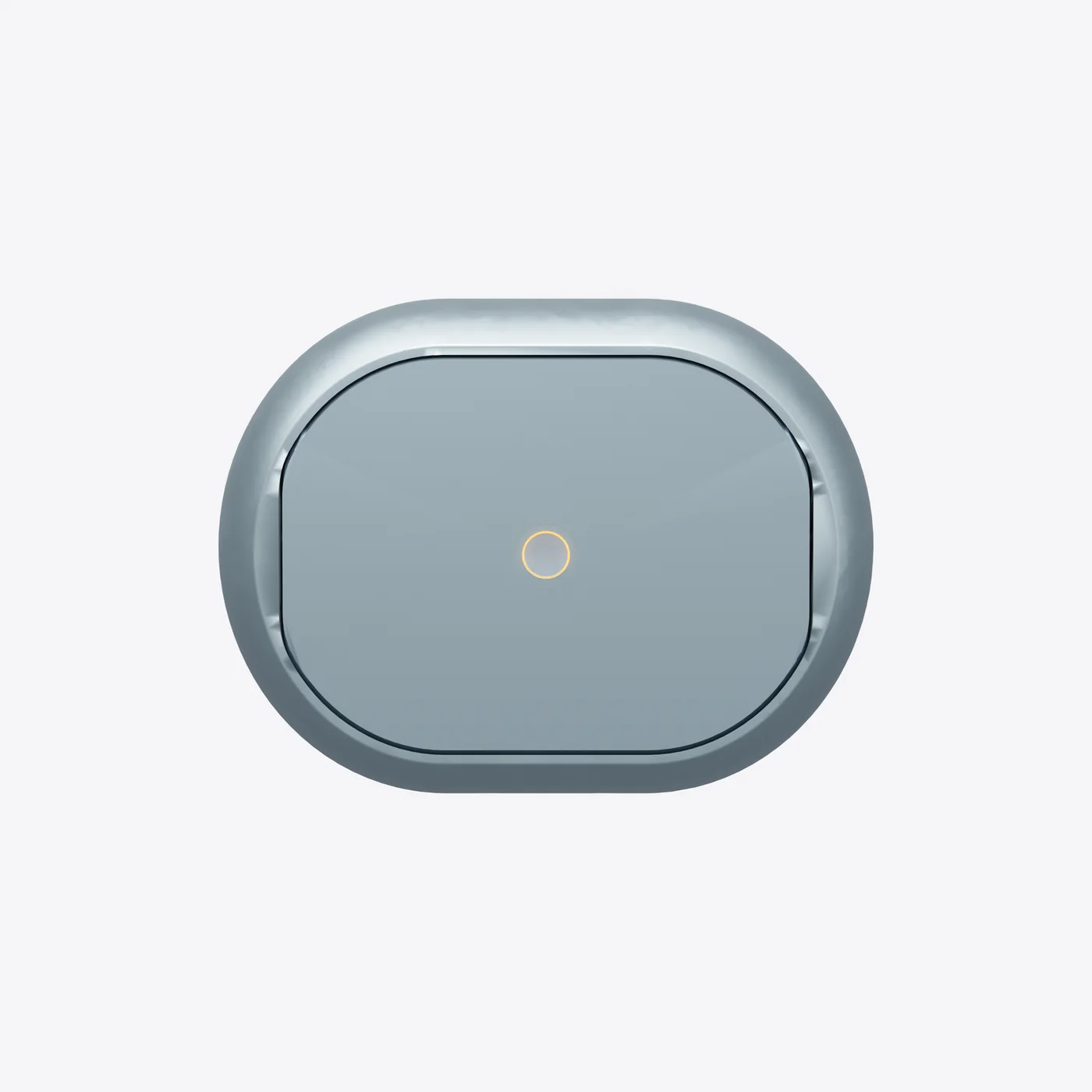
Over-ear headphones with active noise cancellation, voiced to the Harman target.
Evoque
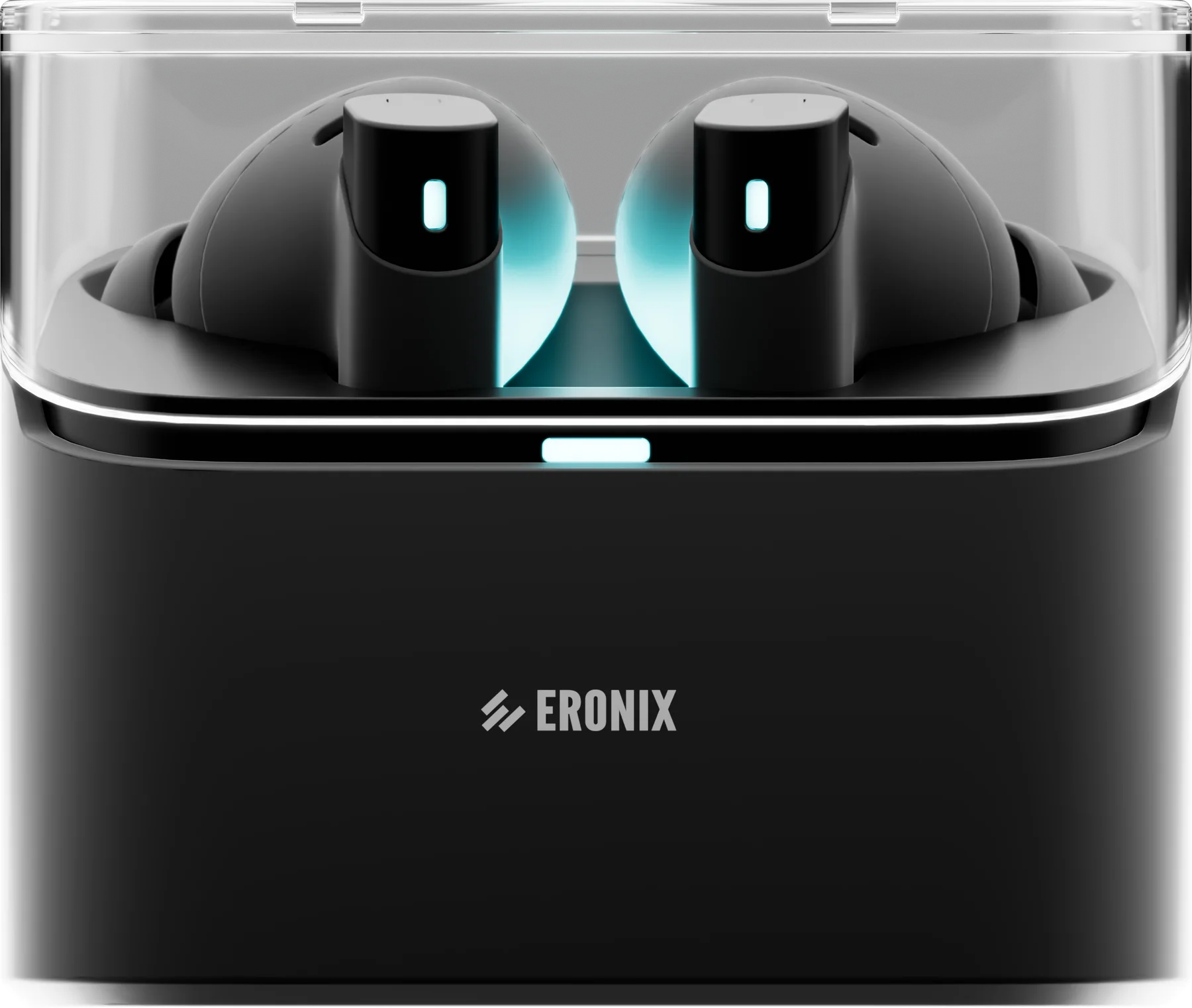
In-ear monitor voicing, ANC and spatial audio, in an aluminium flip case that charges on Qi2.
Euphoria
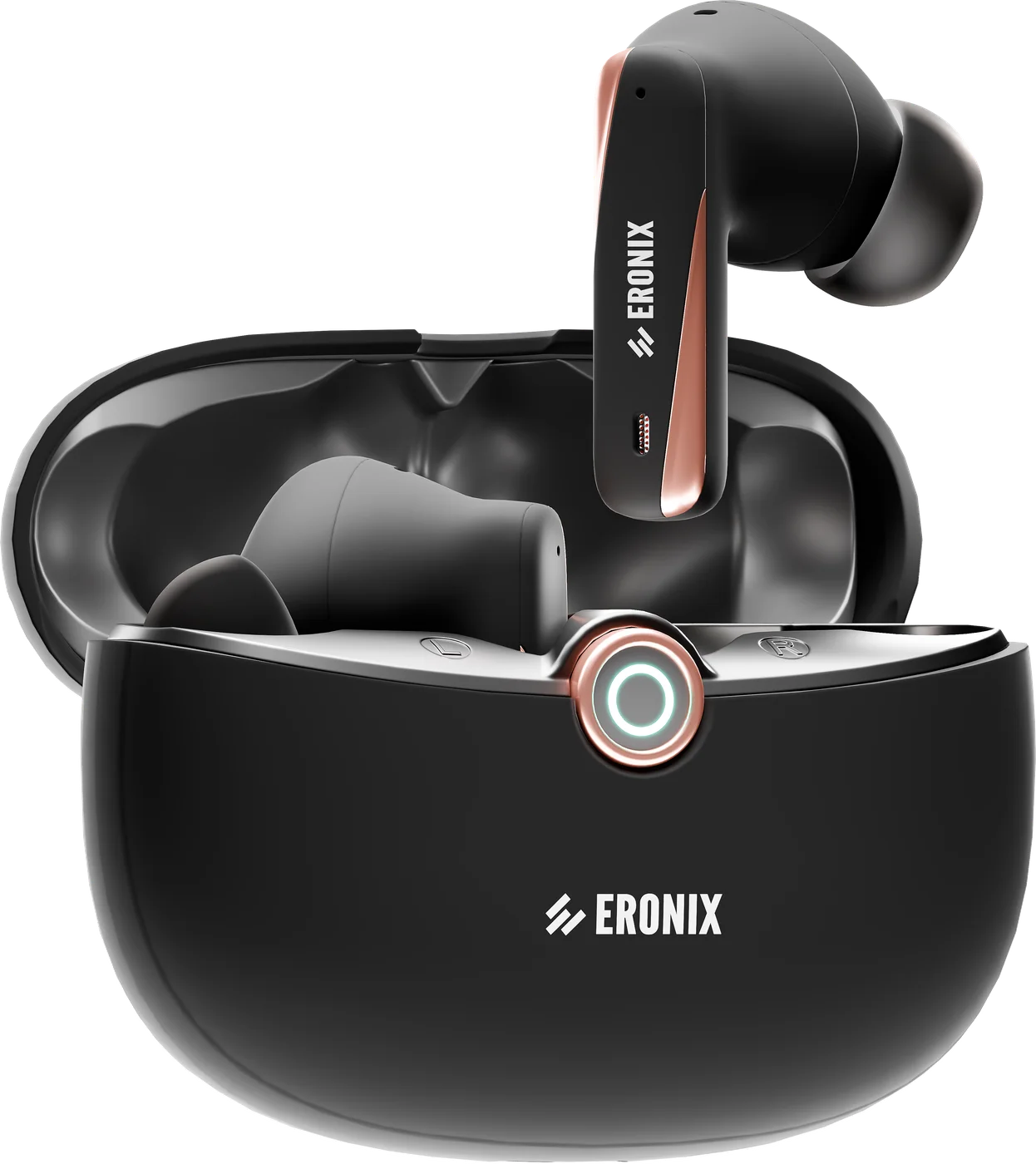
Quad-mic ANC to 45 dB, dual 13 mm drivers and four listening modes.
Jarvis
Four MEMS microphones and up to 35 dB ENC for calls. A lit halo on the case.
Active Noise Cancellation
Silence, computed in real time.
Read →AudioWireless Audio
Bluetooth, codecs, and the milliseconds that matter.
Read →AudioBattery Management
Capacity is chemistry; longevity is software.
Read →Explainer · 1 min readHow active noise cancellation actually works
A race measured in fractions of a millisecond.
Read →