Journal · Compatibility · 1 min read
Magnetic power banks and cases: what fits what
The ring, the case, and the physics between them.
Published 20 August 2026 · Reviewed by 20 February 2027
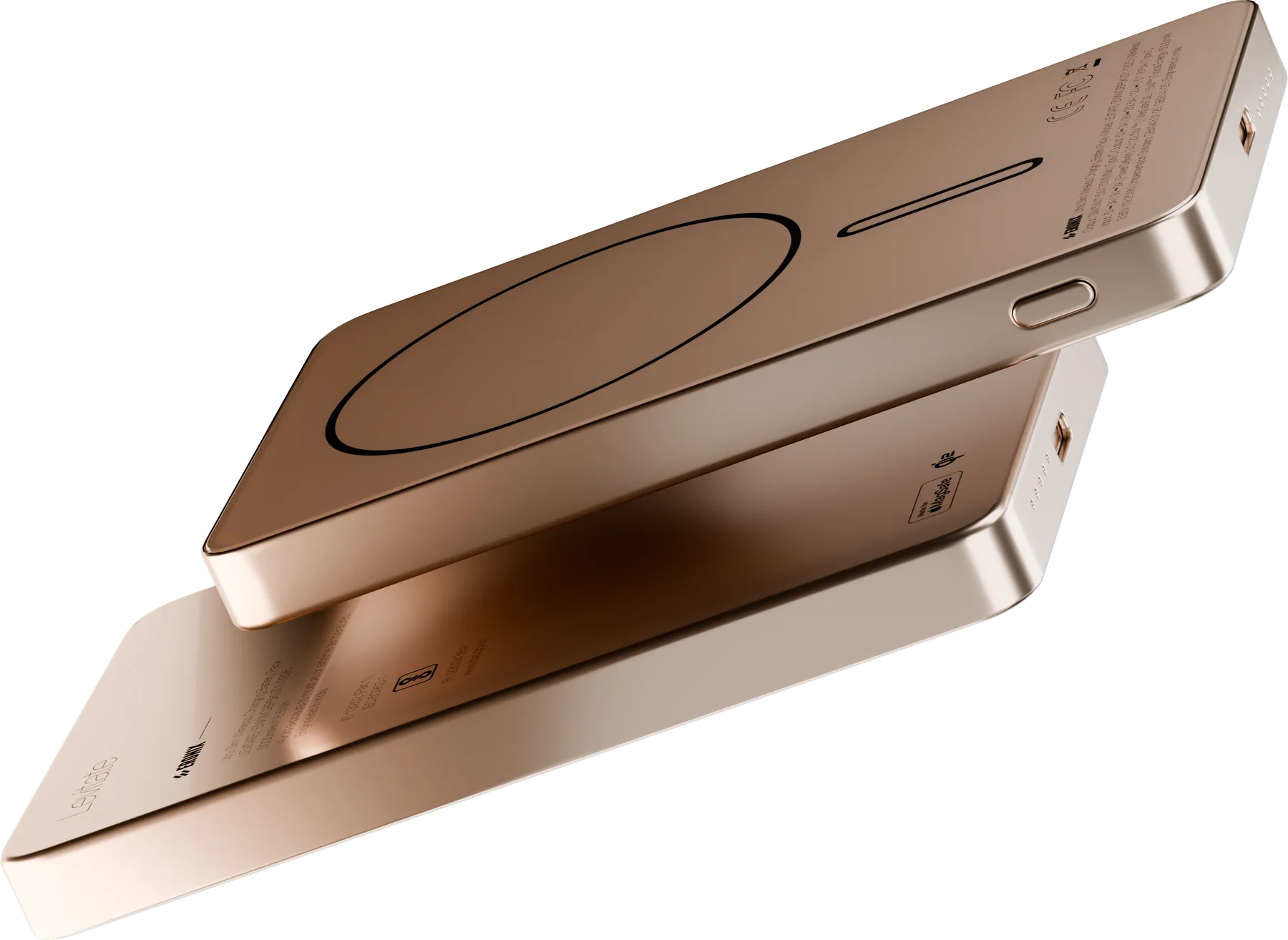
A magnetic power bank makes one promise — snap on, charge, forget — and one component decides whether it keeps it: whatever sits between the magnets and the phone. Bare phones with a built-in ring behave perfectly. After that, it is a materials question.
Magnet-ready cases embed their own ring, restoring both alignment and holding force through the case wall. Ordinary thin cases usually allow charging but weaken grip — the bank may align yet shear off in a pocket. Thick, rugged, or metal-backed cases attenuate the field and the power together, sometimes to nothing. Card wallets and loose metal are the silent failure case: they block transfer and can heat up, which is why certified systems detect foreign objects and stop.
How to verify instead of hope
Per-device, per-case verification beats general rules — which is exactly what a compatibility engine is for. ERONIX publishes verified verdicts (including the honest state “not yet verified”) rather than blanket claims, and always documents the wired fallback: a magnetic bank with a USB-C port is never stranded by a case.