Technology · Power
Thermal Management
The quiet discipline inside every serious power product.
Every watt a power product loses to inefficiency becomes heat, and heat is the real limit on sustained performance, battery longevity and safety. Thermal management is the engineering that moves heat from where it is made to where it can leave — and the honesty to publish sustained figures, not just peaks.
Peaks are easy; sustained is engineering
Almost any design can deliver its headline number for a minute. The question is the thirtieth minute: has the enclosure reached equilibrium below its limits, or is the product silently stepping output down? Sustained-output behaviour is decided by the thermal path — junction to package, package to board, board to enclosure, enclosure to air.
Heat and batteries
Lithium cells age fastest when charged hot. Thermal design in charging products is therefore also battery care: keeping conversion loss out of the device being charged (see PPS), managing coil temperature in wireless transfer, and stepping power gracefully rather than cooking a cell to hit a marketing figure.
Honest limits
- Thermal behaviour depends on environment — a charger inside a cable nest on a duvet is not in the test lab; margins exist for exactly that.
- Published thermal claims are only as good as their test conditions; ERONIX publishes conditions with figures.
Published 28 September 2026 · Reviewed by 28 March 2027 · All technology
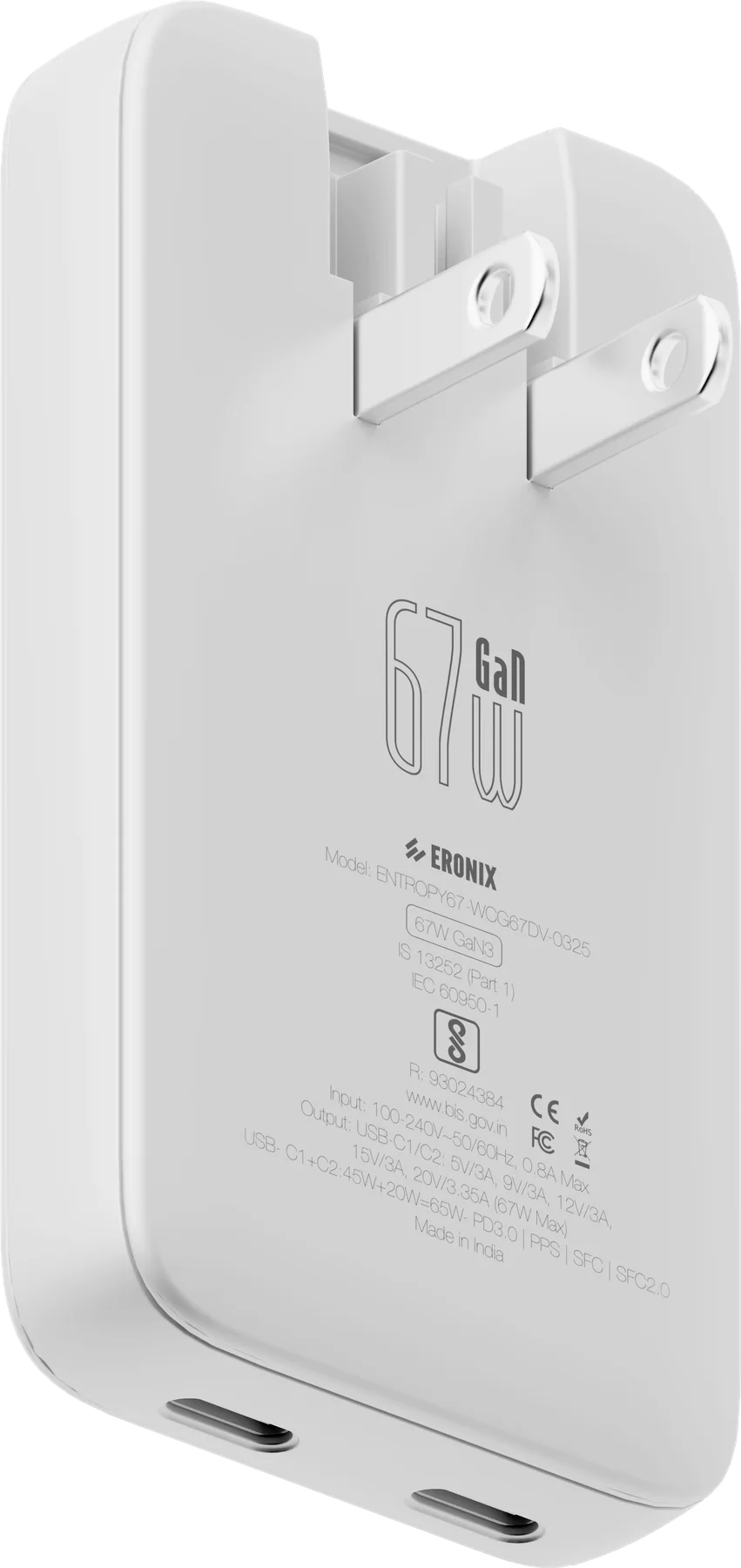
Entropy67
67 W GaN3, 14 mm thin, two USB-C ports. iPhone 18 to 50% in 15 minutes.
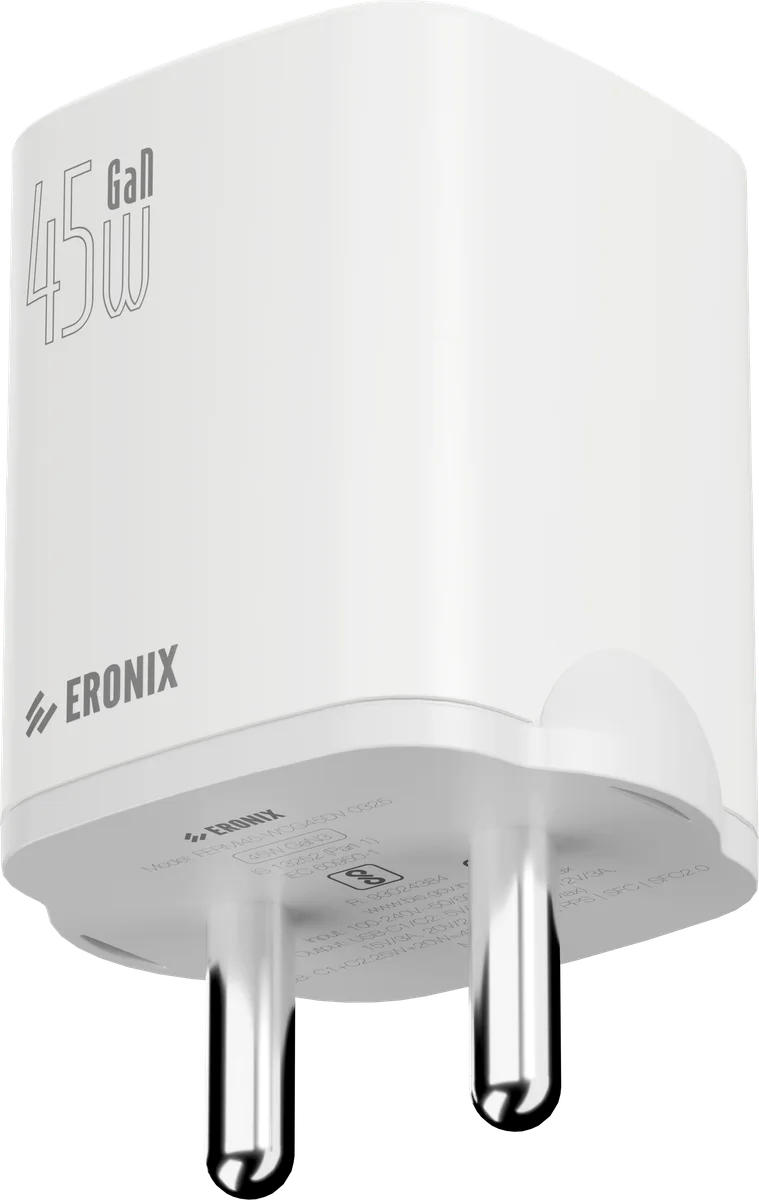
Fermi Series
GaN3 adapters at 30, 35, 45 and 65 W. One or two USB-C ports, PD 3.0 with PPS.
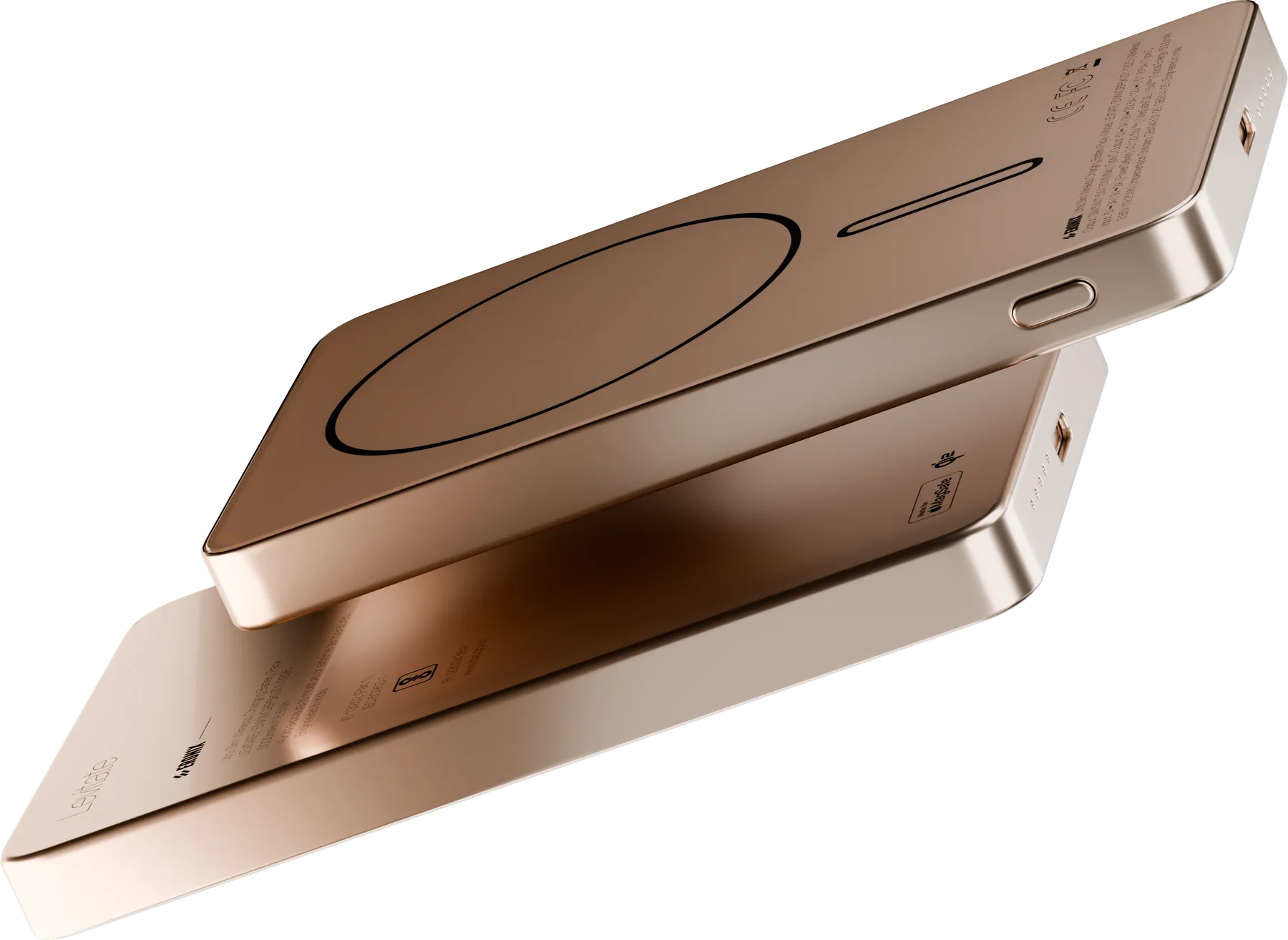
Levitate
5,000 mAh in 8 mm of aluminium and glass. Qi2 magnetic, 15 W wireless, 27 W USB-C.
GaN — Gallium Nitride
The semiconductor that let chargers shrink.
Read →PowerUSB-C Power Delivery
One connector, a negotiated contract.
Read →PowerPPS — Programmable Power Supply
Power Delivery, with a fine-adjustment dial.
Read →Comparison · 1 min readGaN vs conventional chargers: what actually changed
Less mythology, more physics.
Read →