Journal · Buying guide · 1 min read
Choosing a USB-C charger: a short, honest checklist
Five checks that outlast any marketing cycle.
Published 20 August 2026 · Reviewed by 20 February 2027
Charger listings compete in adjectives. The device in your bag negotiates in numbers. This checklist stays on the numbers’ side of the divide — five checks, each verifiable on a spec sheet, none requiring trust in a brand’s enthusiasm.
The checklist
One: total honest wattage, and per-port wattage when several ports share it — insist on the allocation table, which on a two-port adapter is the pair of figures each port gets when both are in use. Two: the USB Power Delivery profiles your actual devices use, including PPS if your phone supports it. Three: certification marks that are real and checkable for your region. Four: the cable question answered — high-power charging needs a cable rated for it, and a bundled or clearly specified cable is a sign the vendor thought about the system. Five: thermal behaviour under sustained load, which honest vendors describe with conditions rather than silence.
A vendor who publishes all five has done your comparison work for you. A vendor who publishes two of five has answered a different question: how much they think you will check.
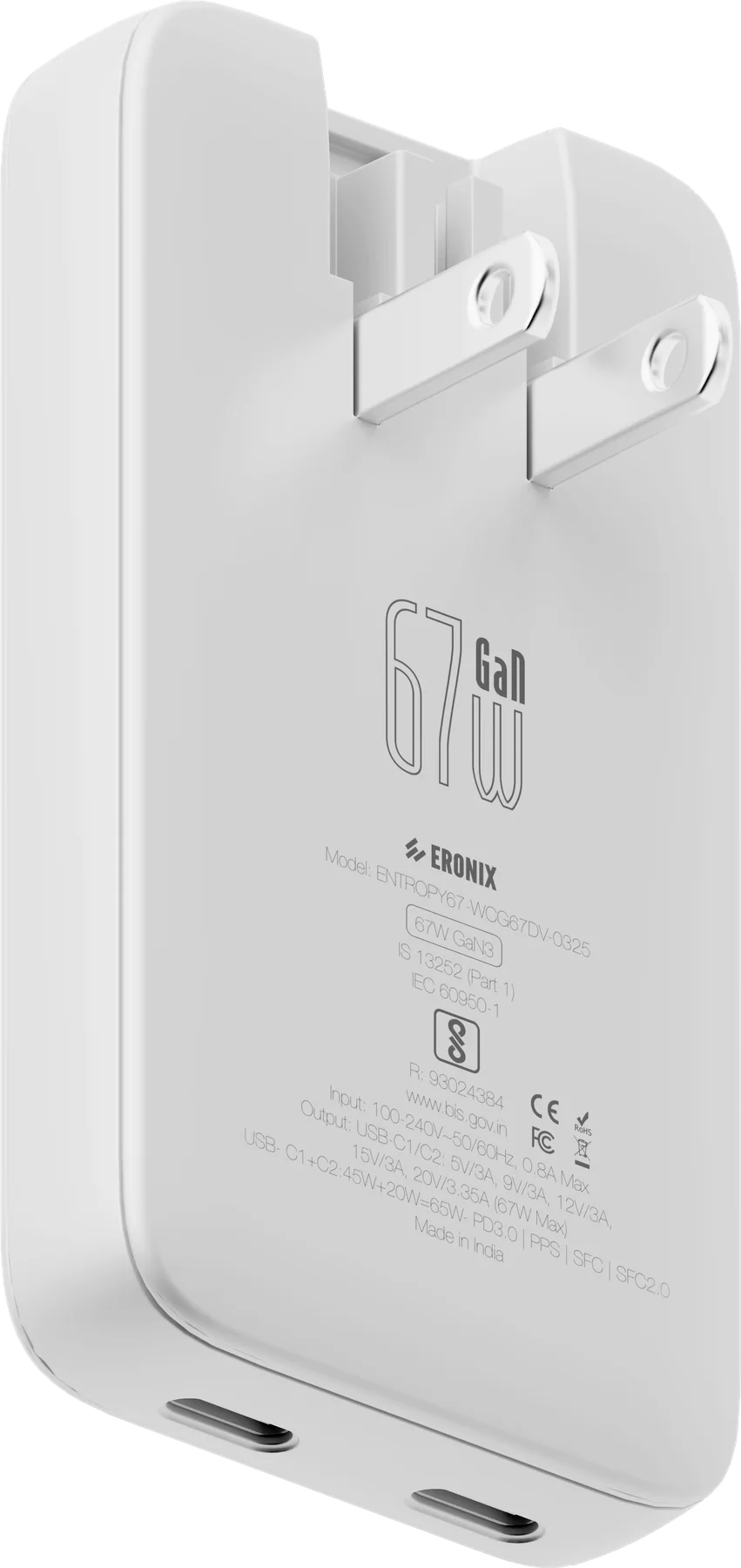
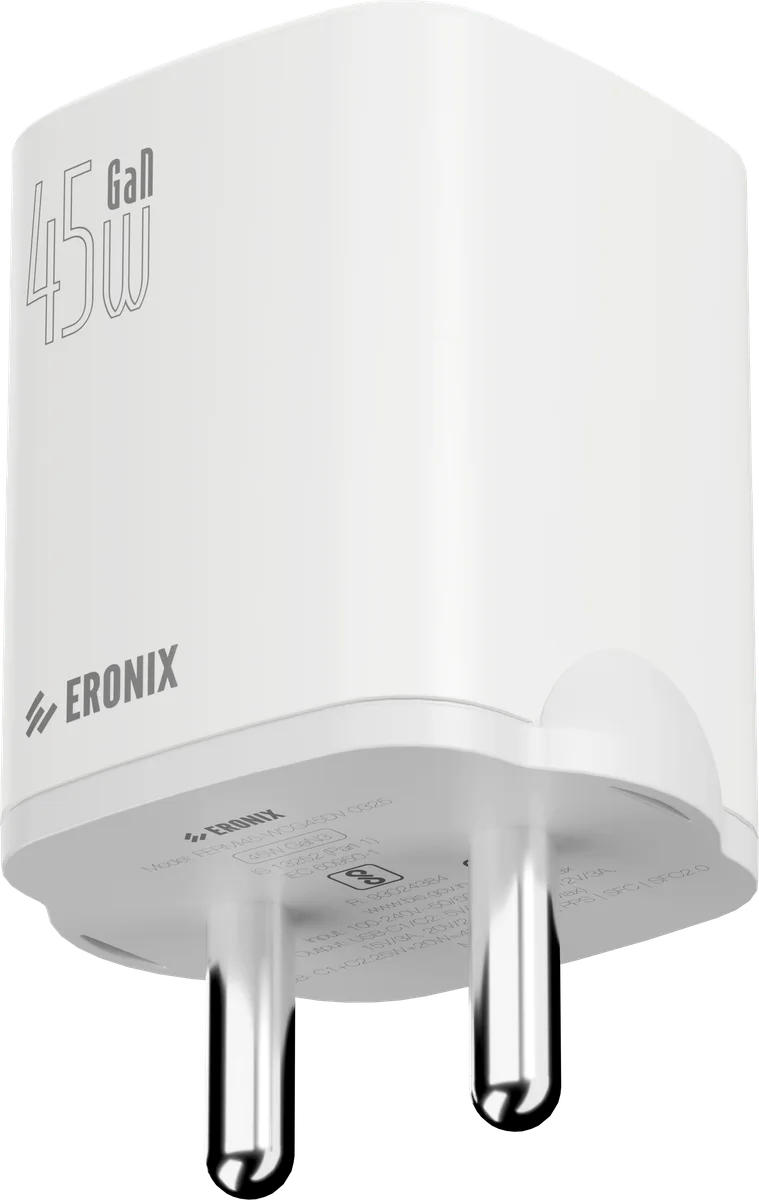
USB-C Power Delivery
One connector, a negotiated contract.
Read →PowerPPS — Programmable Power Supply
Power Delivery, with a fine-adjustment dial.
Read →PowerGaN — Gallium Nitride
The semiconductor that let chargers shrink.
Read →Buying guide · 1 min readHow much power does your laptop actually need?
Reading watts like a spec sheet, not a horoscope.
Read →Comparison · 1 min readGaN vs conventional chargers: what actually changed
Less mythology, more physics.
Read →